
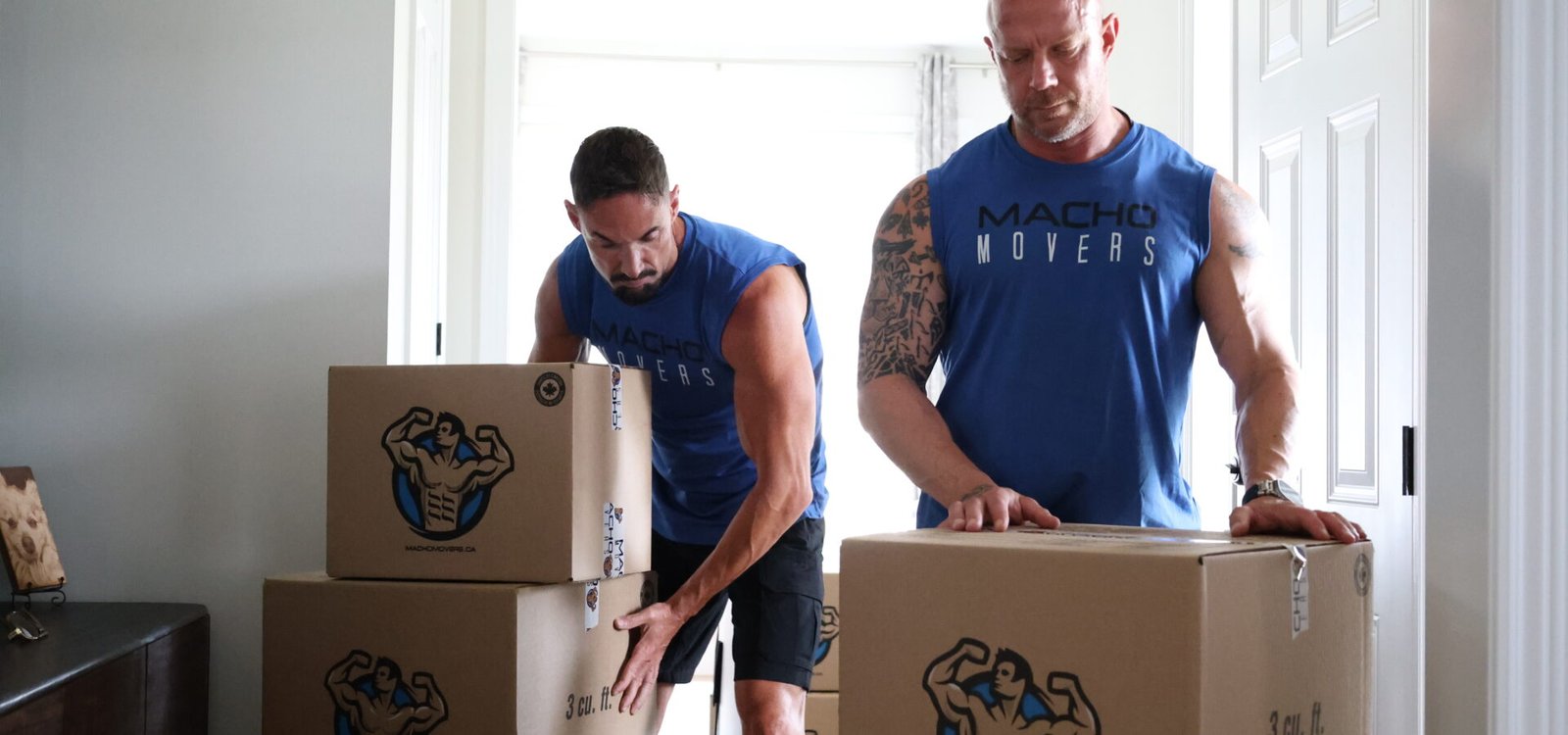
Long-distance moves reward planning. Local moves can survive a few last-minute surprises; cross-province moves cannot. The further you’re going, the longer the lead time you need on truck booking, insurance paperwork, mail forwarding, vehicle shipping, and a dozen other moving parts that don’t exist on a local move. This is the timeline checklist we work through internally on every long-distance job — share it with your family and start ticking boxes.
8 weeks before — Lock the move and start sorting
- Get 3 written quotes from licensed long-distance movers. Make sure each quote includes mileage, fuel, tolls, packing, insurance and storage if needed. Be wary of quotes that come in dramatically lower than the other two — that usually means hidden surcharges later.
- Verify mover credentials. Look up the company on the Canadian Association of Movers (CAM) website and the Better Business Bureau. Long-distance is the #1 segment for moving scams; CAM membership is a strong filter.
- Start a “go / sell / donate / discard” sort. Every cubic foot you don’t move saves real money on a long-distance quote. Tackle one room a week starting now.
- Book your move date. Peak season (May–September) and end-of-month dates fill up 6–8 weeks out.
- Notify your landlord if renting, and confirm move-out date in writing.
4 weeks before — Paperwork and logistics
- Submit a change of address with Canada Post ($30 for 4 months of mail forwarding).
- Update address with CRA, your bank, credit cards, insurance, employer payroll, RMV / Service Ontario.
- Transfer or cancel utilities at the origin — hydro, gas, internet, water, alarm. Schedule new utilities to start the day you arrive.
- Research school enrollment at the destination if you have kids — request transcripts from the current school.
- Find a new family doctor and dentist in the destination city; ask current providers to forward your medical records.
- Book travel — flights, rental cars or hotel stays needed for the move day itself.
- Order moving supplies (or confirm your mover is supplying them) — small / medium / large boxes, dish-pack boxes, wardrobe boxes, picture-mirror boxes, tape, bubble wrap, packing paper.
2 weeks before — Pack non-essentials
- Begin packing rooms you use least: storage, basement, guest room, off-season clothing.
- Use up the freezer and pantry. Frozen food doesn’t survive a long-distance move; canned goods and dry pasta are heavy and cheap to replace.
- Service your vehicle if you’re driving long-distance, or book vehicle shipping if you’re flying.
- Refill prescriptions with at least a 30-day supply.
- Clean rugs and curtains so they’re ready to pack — and to install at the new place.
1 week before — Final pack and confirm
- Confirm move day with your mover — arrival window, crew size, truck size, contact phone numbers.
- Pack your essentials box per person (toiletries, change of clothes, medication, phone chargers, important documents). This rides with you.
- Take photos of every valuable piece of furniture and electronics for insurance reference.
- Empty, defrost and dry the fridge and freezer 24 hours before pickup.
- Drain washing machines and gas BBQs.
- Withdraw cash for tips and unexpected expenses.
- Disassemble beds, tables, modular furniture (or have your mover do it on the day — coordinate this in advance).
Moving day — Pickup
- Be on site when the crew arrives. Walk through every room with the lead mover and point out anything fragile, irreplaceable or off-limits.
- Sign the inventory sheet carefully. Note any pre-existing damage to large items. Keep your copy.
- Do a final empty walkthrough after loading: closets, attic, garage, behind doors, cabinets above the fridge.
- Confirm delivery window with the lead mover — typically a 2–7 day spread for cross-country, 1–3 days for cross-province.
- Leave the keys as agreed with your real-estate agent or landlord.
Delivery day — Arrival
- Walk through the new home before unloading and lay floor protection if not already done.
- Direct the crew with your room-labelled boxes — “Bedroom 2 boxes go up the stairs first door on the left.”
- Tick off the inventory sheet as items come off the truck. Note any damage or missing items immediately and flag them with the lead mover before signing the delivery receipt.
- Reassemble priority furniture first — beds, dining table, kids’ rooms.
- Unpack the essentials box and order pizza. You’re done.
Planning a cross-province move? Get a written long-distance quote from our team — flat-rate, all-inclusive, no surprises.
You might also like
Moving from Toronto to Oakville: Complete Moving Guide
Moving from Toronto to Oakville is one of the most popular relocation routes in the Greater Toronto Area, and it isn’t hard…
Read More
How Much Do Movers Cost in Oakville? Complete Pricing Guide
Movers cost in Oakville typically depends on how much you are moving, how far you are going, and how much help you…
Read More
Moving in Oakville? Why Macho Movers Inc. Makes It Easy
Movers Oakville: Professional Moving Services You Can Rely On Moving in Oakville doesn’t have to be stressful when you have the right…
Read More